26th May 2026
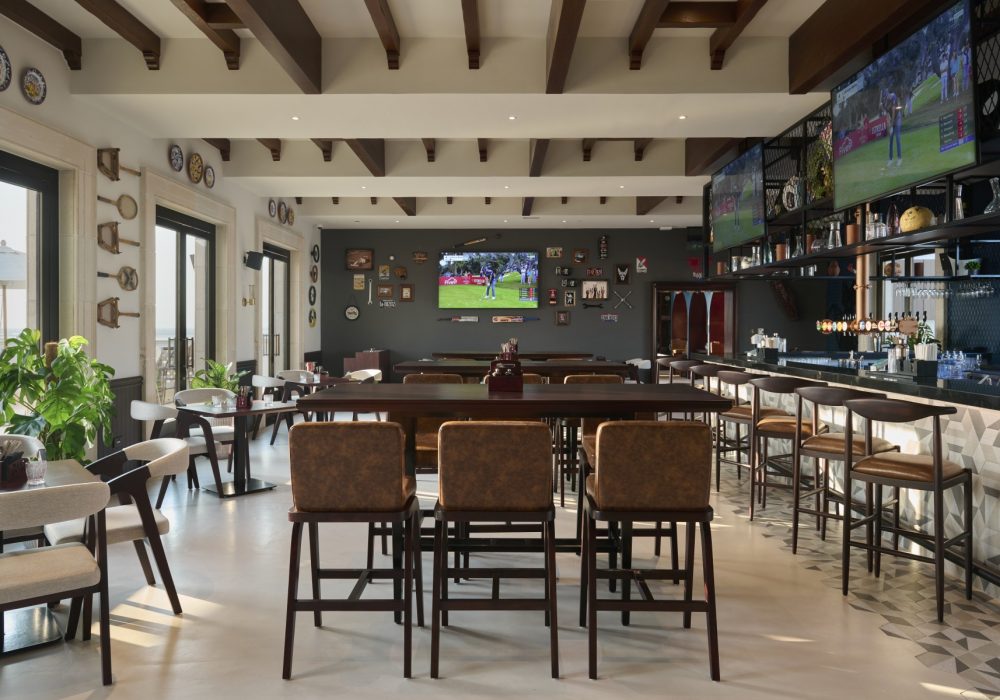
Today’s golfer, particularly travelling golfers, women, younger players and non-members, judges an experience long before they reach the first tee. They judge it from the website, the digital interaction they might have had with the venue, the physical arrival experience, the atmosphere, the welcome, lighting, signage, the retail offering and whether the overall environment simply feels comfortable. Increasingly, the most successful golf destinations in the world have recognised this shift. Reflecting on the comments of human behavioural psychologist Stephen Smith on behavioural neuroscience and customer psychology, what stands out is how they don’t just align with what the leading clubs and resorts are already beginning to do – they provide the essential scientific validation for it. The most forward-thinking venues are no longer just designing golf clubs; they are implementing designs for emotional experiences. This approach translates into creating spaces that explicitly feel open, welcoming and intuitive. It means understanding that guests want ease, comfort and confidence immediately upon arrival. Furthermore, it confirms that seemingly small details – such as natural light, clear visibility, seamless flow, warmth of greeting, genuine inclusivity and precise retail positioning – can have a huge impact on customers’ behaviours and how long they stay. Across our network, we are registering a serious, sustained investment by our Destinations into this crucial side of the business, and the commercial results are incredibly positive. A great example is at Europe’s leading golf resort, Costa Navarino in Greece, where the retail and clubhouse experience has become a major part of the overall guest journey. The strategic pro-shop revamp wasn’t simply about selling more products; it was engineered to create an environment people actively choose to spend time. The result has been a significant increase in retail revenues and guest engagement. A similar commercial success story is unfolding at Camiral, the 2031 Ryder Cup host venue, an hour north of Barcelona. Careful attention has been paid to the flow between golf, hospitality and retail. The resulting space is modern, open, with a premium finish, and its commercial impact has been substantial. The redesigned retail experience has driven major growth in pro-shop sales while also reinforcing the resort’s wider brand identity. From an architectural perspective, several network venues are establishing new global standards. Palmares Ocean Living & Golf in the Algarve won the Clubhouse of the Year Award at the 2025 World Golf Awards. Its stunning design is a direct application of the science, purposefully engineered to appeal to the emotional brain that Stephen references. La Hacienda Links Golf Resort, on the Costa del Sol with unique views of the sea and across the bay to Gibraltar, is famous for its award-winning halfway house, which features a bright, open entrance and compelling views that counteract primal fears of darkness and enclosure. Similarly, in northern France, Le Touquet Golf Resort’s clubhouse employs expansive windows, flooding the space with natural light to create an inviting, safe environment. Historically, golf has failed to prioritise these design principles.Too many clubhouses were constructed around the expectations