

Golf is more popular than ever, with the National Golf Foundation (NGF) reporting a record number of players in 2025 – 48.1 million – and the European Golf Association announcing a 4% increase in registered golfers in Europe, to more than 4.9 million in the same year.
One contributor? The growing participation among 18-34 year olds – now the largest on-course age group in the US. For golf clubs and resort destinations, that shift represents a significant opportunity. However, capturing it requires understanding what this younger demographic actually wants, and how differently they engage with the game.
One European Tour Destination seeing this shift firsthand is The Dutch, a private members’ club an hour from Amsterdam, where the average member age has fallen from 56 to 52 in under a decade – compared with a Dutch national average of 67.
But the club’s strategy is about more than simply lowering the average age. Its under-40 memberships are aimed primarily at business owners, executives, professionals and high-potential talent who value quality, convenience and access to a relevant network.
We spoke to Phil Helsby, the club’s General Manager, to find out what the commercial opportunity truly is and how other clubs and resorts can capitalise on it.
The commercial opportunity isn’t just on the tee sheet
In the modern era, according to Helsby, golf clubs are no longer competing against the course down the road. They are competing against the entire spectrum of lifestyle choices. For the millennial and Gen-Z professional, the decision is not which club to join, but whether golf is a better use of limited time than travel, fitness or family.
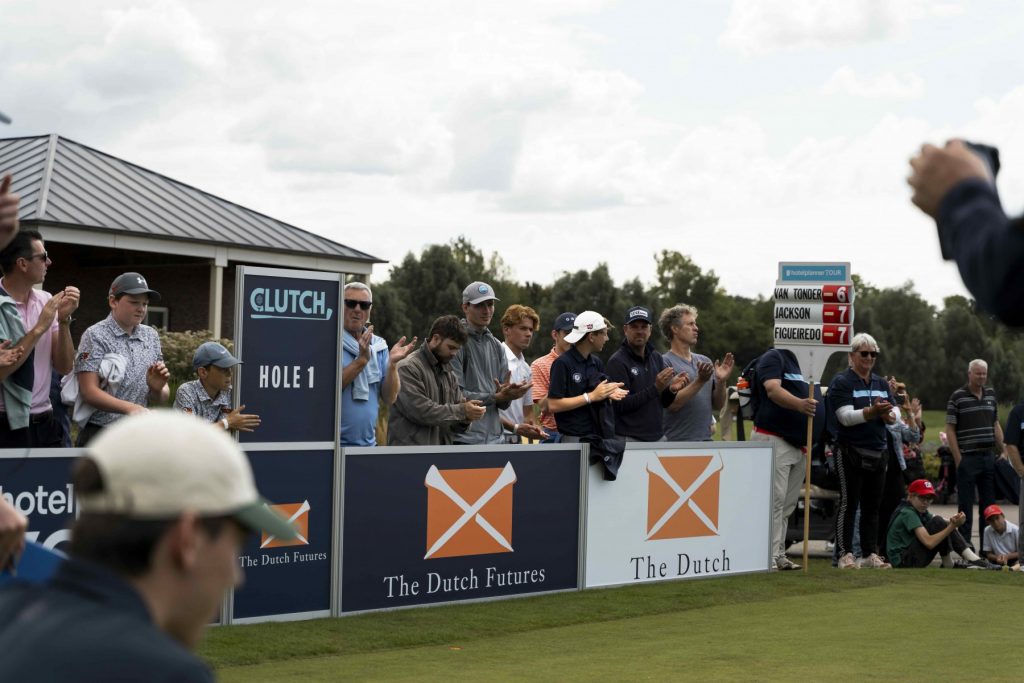
A critical insight he shares is that a younger demographic does not equate to a lower-value one. Data from The Dutch reveals a significant shift in playing characteristics: since 2018, average rounds played per member fell from 36 to 30, yet total spend per visit increased. This signals a transition from a volume-based model to an experience-led value model.
“The average spend of the younger generation is high,” Helsby explains. “What they spend per round – not only on the golf but on food and beverage – has increased.”
To capture this, venues must ensure revenue follows the person rather than just the tee sheet. Therefore, elevating the culinary and social environment to match the high-end expectations of members who may only play 2-3 times per month is important.
For a demographic whose greatest constraint is often time, this ability to combine sport, business and social connection within a single visit is a significant part of the club’s value. Flexibility matters, but so does time efficiency.
Flexible membership models
The Dutch has developed a tiered membership structure specifically designed for those under 40, built around flexibility and social connection.
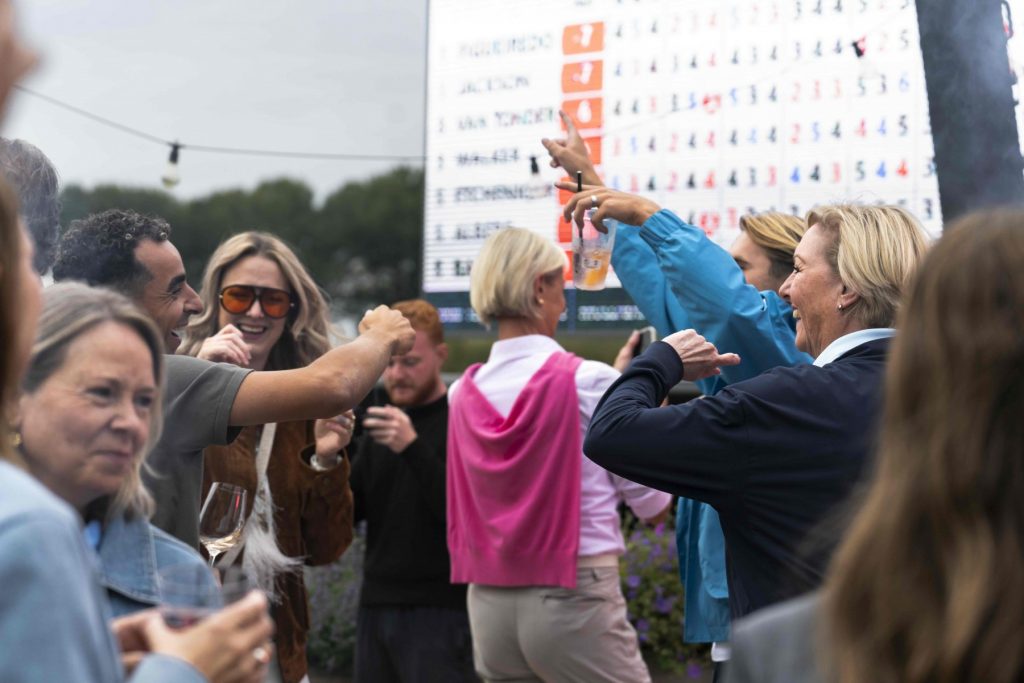
“We have two different types of memberships for this demographic, because a one-size-fits-all model doesn’t work for them,” says Helsby.
“The first is our Off-Peak package, which gives members access to the course just outside working hours, from 4pm in summertime and from 1pm in the winter. Mondays are always deemed ‘off peak’, as is the whole of the summer holiday period.
“The second is our Elite package, which offers unlimited golf. For many within this audience, time is a greater constraint than price. They are willing to invest, provided the quality, flexibility and overall experience justify it. So, offering them something where they feel they are getting the most out of their time has been really successful.”
These memberships are not simply two standalone products. They can form part of a longer member journey. Someone may begin with Off-Peak while building a career or raising a young family, move into Elite as their circumstances change and, over time, progress into a broader private or business membership.
Younger members therefore represent more than a demographic shift. They enable clubs to utilise underused capacity, generate revenue across multiple facilities and build valuable relationships with members at an earlier stage of their professional lives.
At The Dutch, the opportunity extends beyond membership fees: these members train, dine, attend events, invite guests and introduce new people to the club. In that sense, attracting a younger audience is not a discount strategy, but a long-term growth strategy.
Rebuilding social and professional connections
The rise of remote and hybrid working has reduced many of the natural social and professional connections people previously found in the workplace – another important development Helsby highlights.
“We recognised that hybrid working had reduced many of the natural opportunities people had to meet and form relationships through their workplace,” he explains. “The Dutch provides an environment where members can build genuine connections, both personally and professionally.
“Our memberships give access to a year-round network of events. This could be a breakfast followed by a shotgun start where you can invite a guest, an afternoon playing 9 or 18 holes followed by a dinner, potentially with a guest speaker,” continues Helsby.
“In the winter it could be a couple of hours’ training followed by drinks together. We always give them the opportunity to bring a guest, and the only costs they pay on top of their membership are food and beverage.
“By creating a business golf network based around our younger members’ age group, we’re offering them something they actually want.
“For younger members, that social connection matters more than many clubs realise.”
Another positive outcome from The Dutch’s business network is illustrated by members moving beyond social golf to active partnerships. Helsby notes instances where young entrepreneurs who met at the club have since launched successful businesses together.
“And there are more and more of those occurrences happening all the time,” he said.
Building ambassadors
When a club over-delivers on quality, young members become its most potent acquisition channel. They provide a ‘multiplier effect’ that is a major competitive advantage.
“We’re by no means a cheap option for young Dutch golfers. However, we’ve learnt that this demographic is quite happy to pay if the quality is there. So, making sure you overdeliver is crucial,” asserts Helsby. “The feedback we get very often is: ‘this is more than we expected’. And they go away and tell people.”
That word-of-mouth compounds in ways that go well beyond a membership renewal.
Legacy and Succession
As The Dutch marks its 15th anniversary, Helsby outlines another important component of the club’s next chapter: internal succession planning.
“A sustainable model also depends on investing in and developing your staff,” continues Helsby. “We’ve got some very good young people and we want to bring them through the organisation, into team leaders and future management roles.
“It’s something we’re truly committed to and which has already born some great results – ones we want to keep repeating.”
By investing in both the next generation of members and the next generation of leaders, Helsby and his entire team is ensuring The Dutch’s cultural and commercial relevance for decades to come.
For golf businesses, attracting younger members is not simply about lowering the average age. It is about building a proposition that reflects how a new generation wants to use its time, form relationships and derive value from the club.