

When the Estonian Golf & Country Club opened its doors in 2005, hosting a professional tour event was always the mission.
21 years later, the club’s Sea Course welcomed 156 players for the first Infortar Estonian Challenge on the HotelPlanner Tour.
We went behind the scenes with Hanno Kross, the club’s CEO, to find out how it went, what it actually takes to host a professional event and the benefits it can bring to a venue.
A first for Estonia
The clearest sign of how the week went, according to Kross, came from the players themselves.
“There have been more than a dozen emails from players sent personally thanking us for the tournament and the exceptional conditions,” he says.
“One player, who has earned many millions across his career, thanked us we had created ‘a DP World Tour feeling,’ which was a very proud moment for a first-time host.
“And the feedback wasn’t only about the golf course and the Estonian talent, but everything around the tournament: hospitality, organisation and the location. So it’s very positive.”
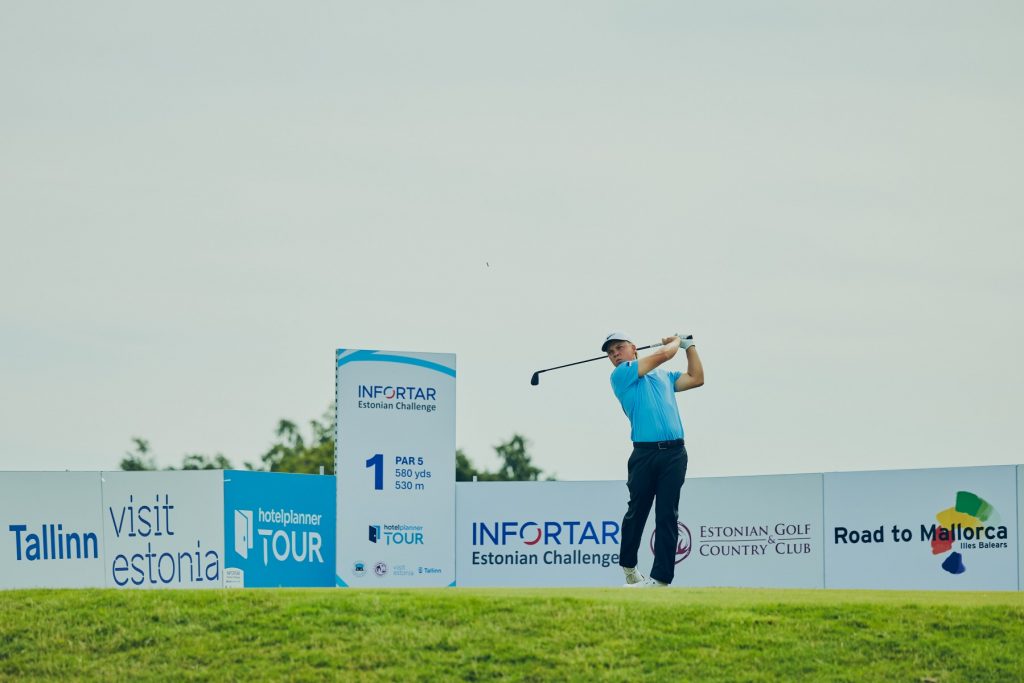
What it took: partnerships and expertise
“There are a lot of moving parts in tournament hosting,” Kross says. “But when you have the right people and the right processes in place, that’s when things come together.”
Hosting a professional tournament isn’t something a venue does alone. For Kross, being part of the European Tour Destinations network for over two decades was central to making it possible at all.
“When the Estonian Golf Association had their initial discussions with the European Tour Group, the Tour said, ‘Of course, we’re going to host it at the Estonian Golf & Country Club. They’ve been a part of us for 20 years’.
“Everybody recognised the relationship we have with the Tour, so it made things a lot easier.”
But it didn’t come without its challenges. Kross points to two in particular.
“We had hosted the European Championships just three weeks prior. So that turnaround was down to a brilliant effort from the greenkeeping team,” Kross says.
“And of course, the course was closed for another week after the European Championships. I was expecting some frustration from members, but I think they all understood. They were proud that it happened here and really got behind the event.”
Measuring success: a national impact
For Kross, the tournament’s most significant impact may not be measured this year at all, but in the next generation of Estonian golfers it inspires.
“There were three Estonians who made the cut for the first time ever at this level. It doesn’t matter that all three guys were actually from another course. We’re one big golf family here in Estonia,” he says.
“It’s fantastic to see the impact the tournament has on our younger golfers. As a 13-, 14- or 15-year-old kid, watching some of the best players perform here in Estonia will give them real encouragement and motivation that they can do the same in three or five years.”
The long-term benefits of hosting
“The support from the European Tour Group extends well beyond the tournament week,” Kross continues. “We truly feel like their partners, and they want us to succeed in the long term.
“Brian Cox, one of the Tour’s agronomy team who worked with us, has offered ongoing guidance on our course conditions, whatever the season. He told me, ‘I’m available whenever you need, whatever you want to ask, whether it’s November or next May’.”
Another benefit was visible immediately. “We saw a surge of interest, with 237 players in a single day, many paying full green fees simply to experience the tournament setup.
“If people are happy, they’re going to talk, and this brings us a lot more business. I think for a golfer, if they have limited time and they want to choose where to play, they always go for the course which has hosted a tournament. I think it will be like this for years to come.”
An added plus was the effect on team morale at the club. “We all helped each other,” he says “We got through it, and our relationships are even stronger than before.”
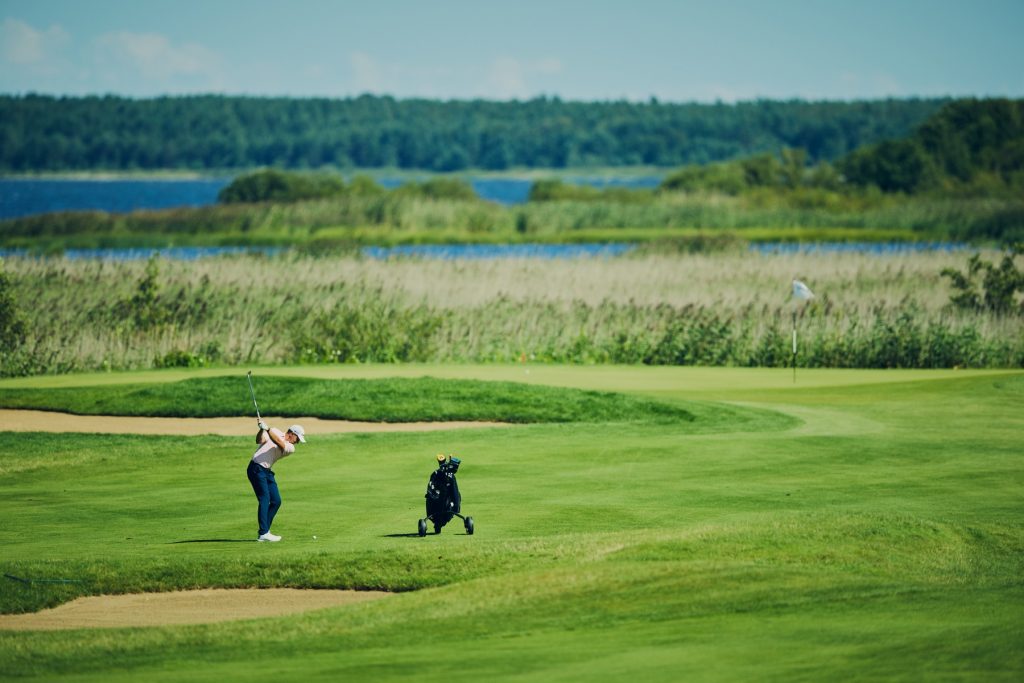
Advice for other venues
When asked what he would say to other venues considering hosting a Tour event, Kross’s advice is about mindset.
“It’s so easy to stay in your comfort zone and tell yourself you’re already ‘good enough’. But that’s exactly when you stop developing,” he says. “If you want to host a tournament, you have to be willing to be tested, to be judged and to come out the other side better for it.
“My advice to other venues is to step out of this comfort zone and see the benefits it brings to your venue. It’s also the best test you’ll ever get of your own people – to see who steps up, and how the team works under pressure. Whatever happens, that challenge alone makes it worth doing.”
Looking ahead
Kross is already thinking about the next one, and hoping someone comes along to beat a long-standing record.
“Since 2016, our course record has been held by Viktor Hovland with a 63,” he says. “I hope that one day it will be a 62 or 61, but in a way, this shows the course is not the easiest.
“When Hovland set the course record in an amateur event, he was not yet well-known. So it’s nice to bring people here who might become number one in the world at some stage.”
Estonian Golf & Country Club is contracted to host the tournament for the next two years, giving the club, and the record, the opportunity to be tested again.
When asked if he is already looking forward to next year’s edition, Kross doesn’t hesitate: “Absolutely.”